
The Facts
Packaged water comes in several forms and shapes. Most of the time, we can drink tap water.
But in some situations, we need bottled water.
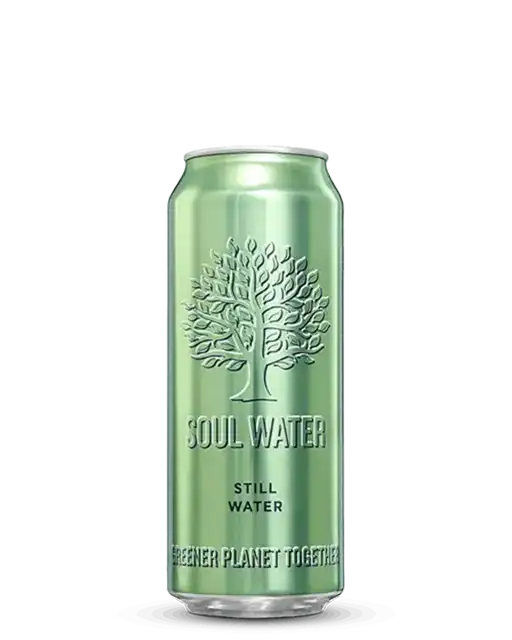
The facts about aluminium
Aluminium cans are endlessly recyclable, regardless of colour, design, or format. Beverage cans already rank among the most highly recycled packaging materials worldwide, with recycling rates covering around 90% of the global market. The aluminium beverage industry has committed to reaching 100% recycling of aluminium beverage cans by 2030.
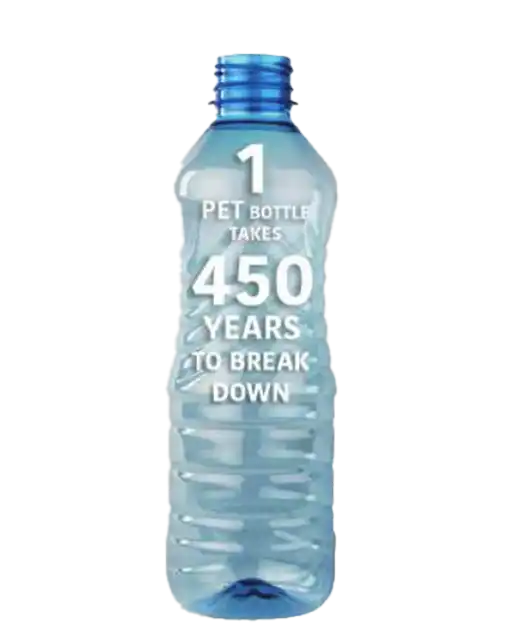
The facts about PET
A chemical process is needed to recycle PET into virgin material.
THE FACTS ABOUT rPET
In order to obtain the appropriate rPET quality & properties, this material needs to be chemically recycled, meaning various additives are used to break the plastic down. Chemical recycling is energy-intensive and can emit up to 3 tonne of CO₂ per tonne of plastic, making its impact 10–100 times higher than producing virgin polymer.
It is still costly and difficult to sort and obtain good-quality PET in recycling facilities in order to reproduce rPET.
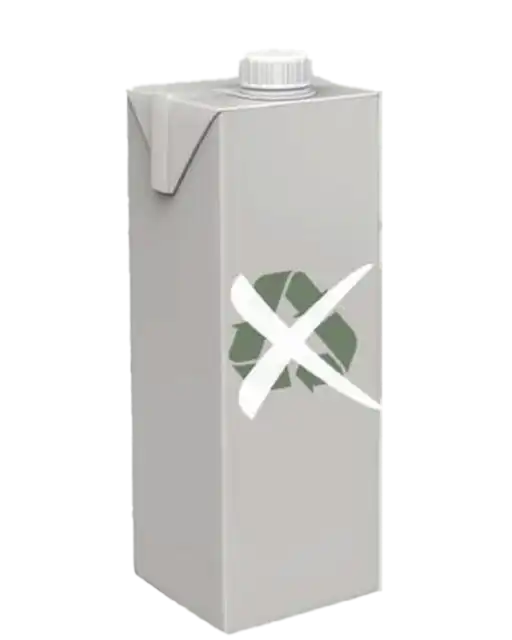
The facts about beverage carton
Natural Mineral Water
We source high-quality natural mineral water as close as possible to our distribution channels.This means we work with local water sources on every continent avoiding shipping emissions. This minimises our environmental impact while ensuring the freshness of our natural still and sparkling mineral water.



Join the Soul Community
Dedicated to building a more caring and regenerative planet together.
The Soul Community is a non-profit foundation that cooperates with social organisations (NGO’s) around the world in developing conscious solutions that reduce environmental impact.
Through strategic and equal partnerships, our mission is to give back to mother nature and help people affected by climate change, poverty, and inequality.